
 SEARCH
 LIST YOUR PROPERTY
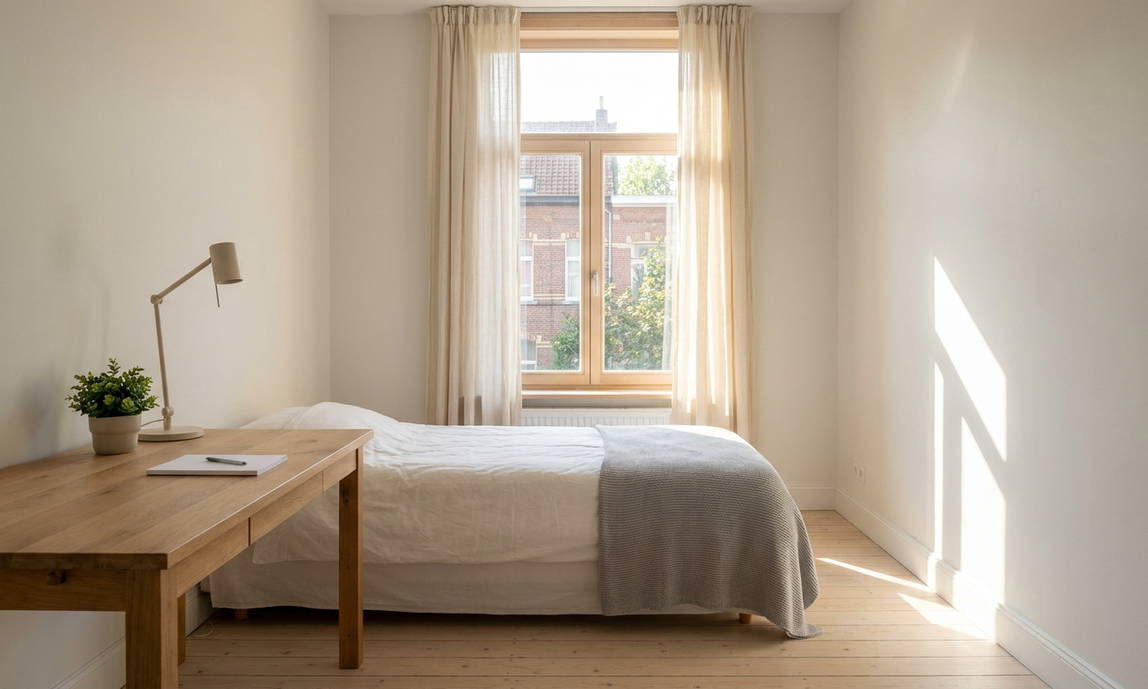
Finding student housing in Belgium as the new academic year approaches is increasingly becoming an uphill battle. In this pivotal year, the search for a 2026 student kot in Belgium is a source of anxiety for thousands of young people and their parents. Between stagnant supply, overpriced private residences, and exploding demand, the student housing market is under high tension. Faced with this alarming situation, new alternatives are emerging to guarantee the right to education under decent conditions. At Roomlala, we are convinced that intergenerational cohabitation and sharing space represent the future of housing. Today, we invite you to analyze this unprecedented crisis and discover why renting a homestay is emerging as the legal, economic, and deeply human solution for this upcoming school year.
Inventory check: Understanding the 2026 Belgium student housing crisis
The student housing situation in Belgium has never been more critical. Universities and colleges attract more and more students every year, whether Belgian or international, but accommodation infrastructure is not keeping pace. This deep imbalance between supply and demand is creating bottlenecks in all the country's major university cities.
Read also: Student housing Canada 2026: What is the impact of the new cap on room rentals?, Student housing shortage in Switzerland: Homestay, a vital solution for 2026 and 2026 student housing EPC: Everything you need to know about the new rental rules in Belgium
A structural shortage worsening in Brussels, Liège, and Louvain-la-Neuve
The figures for the 2026 academic year are clear: Belgium is facing a glaring shortfall estimated at 70,000 student housing units. This structural shortage is hitting major university hubs head-on. In Brussels, Louvain-la-Neuve, and Liège, waiting lists for university-managed housing are growing longer every year. Students often find themselves forced to search in the private sector, where competition is fierce.
The shortage of student housing in Wallonia is particularly acute in cities like Namur and Louvain-la-Neuve, where the urban fabric leaves little room for new massive construction. Property developers are struggling to obtain permits for major projects, held back by strict regulations and rising construction costs. Consequently, the existing housing stock is saturated, and many students are forced to accept substandard housing or places located hours of travel away from their campus.
At Roomlala, we observe daily the cries for help from desperate young tenants. Faced with this wall, it is essential to rethink how we inhabit our cities. The thousands of unoccupied rooms in Belgian single-family homes represent a reservoir of immediately available housing, without needing to pour a single extra cubic meter of concrete.
The explosion of rents and the impact on the student budget
Since scarcity dictates value, the shortage is logically accompanied by galloping price inflation. In 2026, the median rent for a kot is approximately 542 euros per month (including charges) nationwide. This figure hides huge geographical disparities: in Brussels, the 550-euro mark is now commonly exceeded for a simple room in shared housing, and brand-new studios in private residences easily exceed 700 euros.
This price surge has a devastating impact on the budgets of students and their families. Housing is now the primary expense, far ahead of tuition fees, food, or transport. Many young people are forced to combine exhausting student jobs, to the detriment of their academic success, or worse, to give up on their studies in the city of their choice.
A concrete example is that of Julien, a master's student at the ULB. Finding no affordable kot in the Ixelles cemetery neighborhood, he had to settle for housing on the far outskirts, increasing his daily commute by two hours and his transport budget, thus canceling out the meager savings made on the rent. It is to avoid this type of sacrifice that the homestay option makes perfect sense.
The homestay: A concrete and supportive answer
Faced with this saturated and unaffordable market, renting a room from a private individual is emerging as a choice alternative. This model, which relies on optimizing existing space, offers major advantages both for young people in search of stability and for hosts wishing to capitalize on their assets.
Undeniable economic advantages for both parties
For the student, the financial advantage is immediate. A homestay in Brussels or Wallonia is generally offered at a rate 15 to 30% lower than a traditional kot or a studio. Charges (water, electricity, internet) are most often included in a fixed package, which avoids unpleasant surprises at the end of the year—a significant asset in a context of volatile energy prices.
For the host, the benefits are just as attractive. Hosting a student generates a regular complementary income, which is particularly welcome to cope with inflation or help pay off a mortgage. Moreover, Belgian tax law favorably regulates this supplementary income under certain conditions, making the operation financially very attractive.
Take the case of Martine, a retiree living alone in a large house in Woluwe-Saint-Pierre. By renting out her children's former bedroom via Roomlala, she receives 400 euros per month in rent. This income allows her to maintain her house without dipping into her pension, while offering a student quality, secure housing that is much cheaper than Brussels market rates.
Conviviality and security in long-term rentals in Belgium
Beyond the purely financial aspect, renting a homestay offers an invaluable human dimension. For a young person leaving the family nest for the first time, often to move to a large, unknown city, ending up alone in a studio can be an isolating experience. Living with a host offers a reassuring framework, a kind presence, and a smooth transition toward independence.
This long-term rental in Belgium is also a guarantee of peace of mind for parents. Knowing their child is housed with a trusted person, in a residential neighborhood that is often quieter than the festive city centers, is a compelling argument. Hosts, for their part, appreciate the company and vitality that a young person brings to the house, thus breaking the solitude that affects many elderly people.
It is important to emphasize that conviviality does not rhyme with a loss of privacy. At Roomlala, we always encourage the establishment of a house charter. Everyone keeps their private space and their independence. It is a matter of mutual respect where the student manages their university life while respecting the host's rhythm of life.
The legal framework for student leases in Belgium: What you need to know
Renting out a room in your home cannot be improvised. Belgium has put in place a specific legal framework to protect both tenants and hosts. Understanding these rules is essential for the cohabitation to proceed peacefully and legally.
Student contract rules and the issue of domiciliation
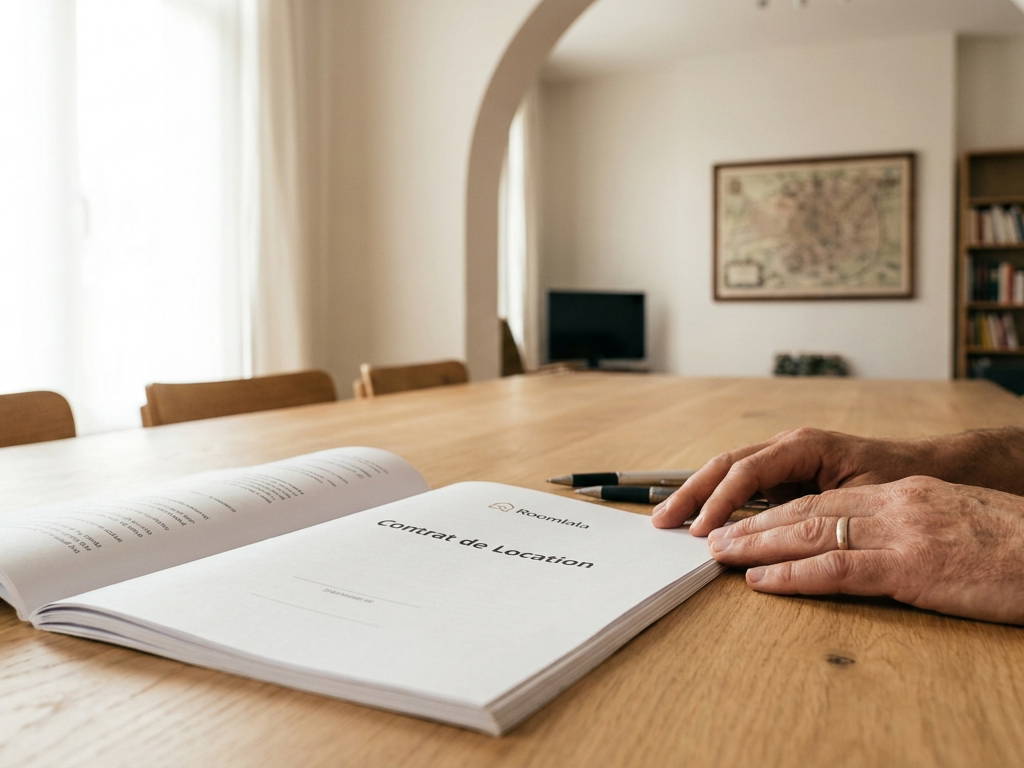
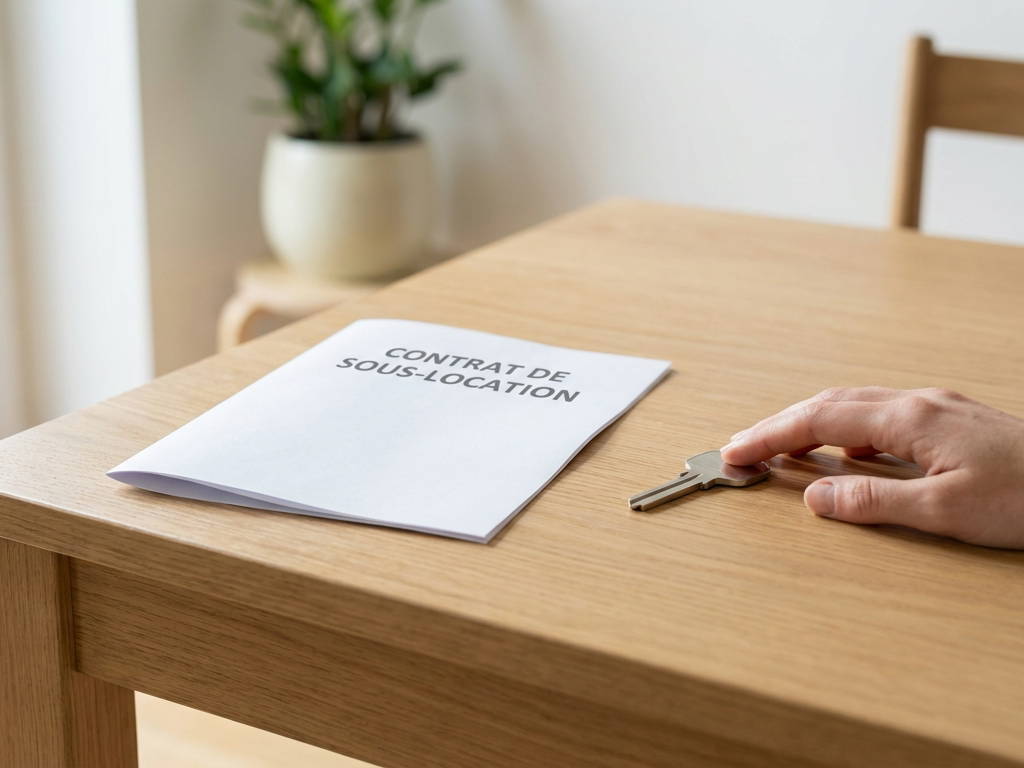
Belgian legislation strictly regulates student leases. To conclude this type of contract, the tenant must provide proof of their regular registration in a higher education institution (or proof of a registration request). This lease is generally concluded for a duration of 10 to 12 months, which corresponds perfectly to the academic calendar.
A crucial point of vigilance concerns domiciliation. A student renting a room as a homestay under a student lease cannot register their primary residence there. Legally, the kot does not constitute their primary residence; it must necessarily remain at their parents' (or legal guardian's) address. This is a sine qua non condition of the student lease in Belgium, which has significant implications for local taxation and social rights.
- Proof of studies: Mandatory school certificate upon signing.
- Duration: Flexible contract, often from 10 months to 1 year, renewable.
- Termination: The student benefits from advantageous early termination conditions (for example, in the event of dropping out of studies), subject to a legal notice period (often 2 months).
- Domiciliation: Strictly prohibited within the framework of a standard student lease.
Rental permits and urban planning: Regional specificities
As Belgium is a federal state, housing rules vary by region. It is imperative to inquire about the urban planning regulations of your municipality before putting a room up for rent. Setting up a student room in a single-family home can, in some cases, change the purpose of the housing and require a planning permit, especially in Brussels where inspections are frequent.
In Wallonia, there is a very advantageous exemption to encourage homestays. If the landlord lives in the building themselves (this is their primary residence), they are exempt from the Walloon rental permit, subject to two strict conditions: they must not rent out more than two housing units (rooms) and must not host more than four tenants in total. This measure greatly facilitates the process for individuals wishing to help students.
Finally, we at Roomlala would like to remind you that it is necessary to clearly distinguish between a long-term student lease and tourist rentals like Airbnb. Tourist rentals are subject to much stricter regional regulations, registrations, and taxes. The student lease is part of a long-term residential housing approach, exempt from the burdensome constraints associated with tourist hospitality.
Succeeding in your cohabitation: Our tips for the new school year
Now that the legal framework and advantages are clear, how can you ensure that this experience is a success for the 2026 school year? Good preparation and transparent communication are the keys to harmonious intergenerational or supportive shared housing.
Define the house rules from the start
The success of a homestay relies on clear expectations. Even before signing the lease, the host and the student should discuss their respective lifestyles. It is essential to define the rules for using shared spaces (kitchen, bathroom, garden) and the schedules to be respected to guarantee the peace of the home.
We advise you to draft a small set of house rules to be attached to the lease. This document can address practical questions such as: Can the student receive visitors? How often can they use the washing machine? How is the cleaning of shared spaces organized? Putting these elements in writing avoids unspoken issues and frustrations during the year.
For example, if you are renting a room in Liège, you could agree that the student has access to the kitchen every evening until 9:30 PM, and that they are responsible for cleaning their utensils immediately after. These small daily details make all the difference between a strained cohabitation and a successful one.
Use a secure platform to find the perfect match
Faced with the urgency of the shortage, it can be tempting to use unverified classified ads on social media. However, student housing scams are unfortunately frequent, especially during periods of high demand. Fake profiles, abusive deposit requests, substandard housing... the traps are numerous.
That is why it is essential to use a specialized and secure platform like Roomlala. We verify our users' profiles, secure financial transactions, and offer contract models adapted to Belgian legislation. Furthermore, our review system allows future tenants and hosts to commit with confidence, based on previous experiences.
In conclusion, the 2026 student kot crisis in Belgium is a difficult reality, but it is not inevitable. Renting a homestay offers a breath of fresh air that is essential to our housing system. It allows students to focus on what is essential—their studies—while offering hosts the opportunity to engage in a supportive and remunerative endeavor. Do not wait for the last minute, prepare for your new school year today by exploring the listings on Roomlala!



There are no comments yet.
Add a comment
You must be logged in to post a comment.