
 SEARCH
 LIST YOUR PROPERTY

Faced with the growing shortage of student housing and general tension in the real estate market, the Walloon Region has decided to take matters into its own hands. This autumn, the highly anticipated 2026 Wallonia lease reform comes into effect, bringing a breath of clarity and modernization for both hosts and tenants. At Roomlala, we know how intimidating it can be to start renting out part of your home. Between fears related to legislation, doubts about taxation, and security questions, taking the leap requires being well informed.
However, renting out an unoccupied room has never been more relevant. Not only are you meeting an urgent societal need, but you are also securing a significant source of additional income. This new Walloon regulation was specifically designed to regulate, secure, and encourage shared housing. Whether you are considering traditional shared housing or a homestay, we offer a complete breakdown of these legal updates to help you get started with peace of mind.
Read also: Law 31 in Quebec in 2026: Impacts on lease assignment and alternative solutions, Rent indexation Brussels 2026: EPC and shared housing rules and Tight rental markets in Spain (Autumn 2026): Does room rental avoid price caps?
Deciphering the 2026 Wallonia lease reform: What is changing in practice
Housing policy in Wallonia is undergoing a major transformation at the end of 2026. The objective of regional authorities is twofold: to simplify administrative procedures for hosts and to guarantee quality housing for tenants. This institutional and legal restructuring is profoundly changing day-to-day rental management.
The creation of the Walloon Housing Agency (AWH)
One of the cornerstones of this reform is the establishment of the brand-new Walloon Housing Agency (AWH). No more administrative labyrinths! The AWH becomes the one-stop shop for all housing-related questions in Wallonia. It is supported by 14 local Housing Hubs spread across the entire Walloon territory.
For you, as a host, this means much easier access to information. Do you want to check if your home meets health and safety standards? Do you need help understanding renovation grants before welcoming a tenant? These local hubs are designed to support you. At Roomlala, we welcome this initiative, which reassures hosts and professionalizes the peer-to-peer rental sector.
Guaranteed domicile and tenant protection
A crucial point of the reform concerns domicile. From now on, the law is clear: in Wallonia, any clause in a lease agreement prohibiting the tenant or roommate from registering their domicile is purely and simply illegal and void, provided that the rented property constitutes their primary residence.
Let's take a concrete example: you rent a room in Liège to a young professional who establishes their main place of life there. You cannot refuse them the right to register their domicile at the town hall. This measure aims to combat administrative precariousness. As a host, it is essential to adapt your contracts to comply with this strict rule. This is why, on our platform, we make sure to inform you of these legal obligations to avoid any future disputes.
New Belgian shared housing rules applied in Wallonia
Shared housing is no longer just for students; it is attracting more and more young professionals, single-parent families, and even seniors. To manage this trend, the Belgian shared housing rules, and more specifically those in Wallonia, have been refined to protect all stakeholders.
The mandatory shared housing pact and rental guarantee
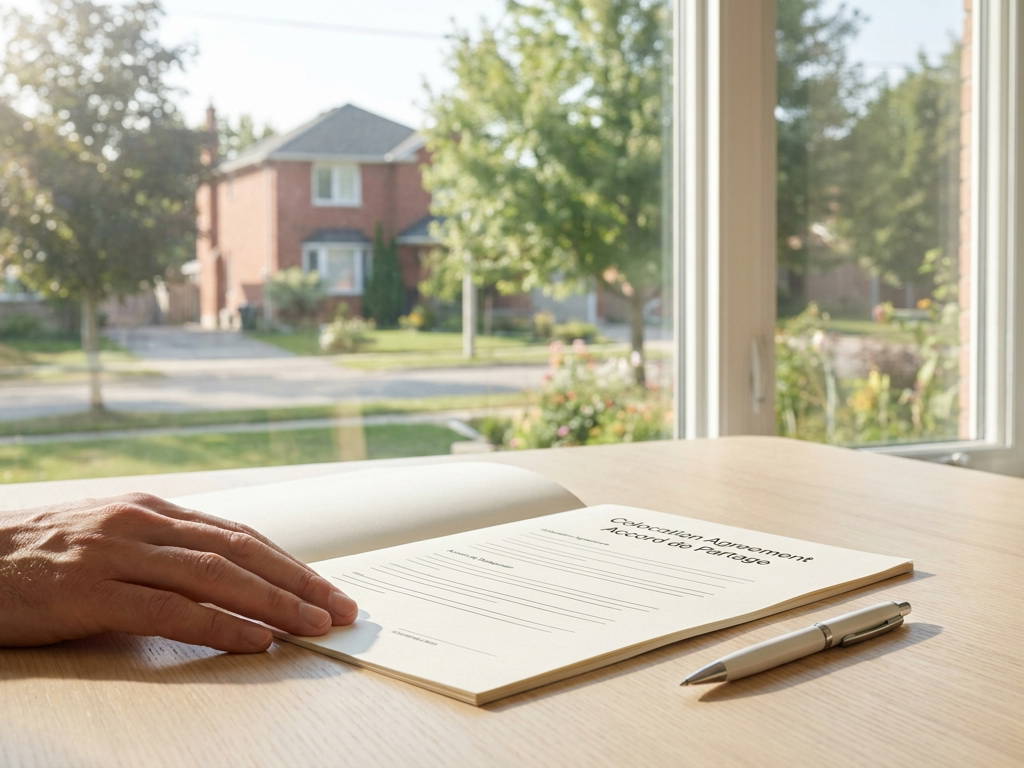
If you opt for a single shared housing lease (where all tenants sign the same document), Walloon law now requires the drafting and signing of a "shared housing pact." This document, attached to the lease, is essential. It governs community living and must address practical aspects such as the distribution of rent, payment of utilities (water, electricity, internet), organization of chores, and procedures in case of a roommate's early departure.
Furthermore, the 2026 reform confirms the capping of the security deposit at two months' rent (excluding utilities). Gone are the days of excessive deposits that blocked access to housing. In addition, the inventory check takes on a new dimension: it must be updated every time a roommate leaves the home and a new one replaces them. This protects you, as a host, by clearly identifying responsibilities in the event of damage at a specific point in time.
The impact of the cohabitant status on social benefits
This is a major point of vigilance that we would like to highlight at Roomlala. When several people register their domicile at the same address under a shared housing lease, the Belgian administration may change their social status, switching them from "isolated person" to "cohabitant."
In concrete terms, if you rent your house in Namur to three job seekers, the fact of sharing the same roof and pooling certain expenses (as provided in the shared housing pact) can lead to a significant drop in their social benefits (unemployment, welfare). Although this does not directly impact you as a landlord, it is your moral duty, and in the interest of a relationship of trust, to inform your future tenants before signing the lease.
Homestay in Wallonia: A golden opportunity for hosts
Faced with the complexity of renting an entire property, homestay in Wallonia is proving to be an extremely attractive alternative. Whether it is to compensate for the lack of student housing or to offer a flexible solution for traveling professionals, renting one or more rooms in your own home offers many advantages, provided you have a good grasp of the legal framework.
Rental permit: When is it really mandatory?
This is often the question that frightens Walloon hosts the most: do I need to obtain a rental permit? The answer depends on the legal structure of your rental. Wallonia is very strict regarding the concept of "collective housing."
- Exemption: If you rent your house to a classic shared housing arrangement of 4 people or less, and everyone signs a single lease, you are generally exempt from the rental permit.
- Obligation: Conversely, if you have each occupant sign an individual room rental contract (multiple leases), or if you host 5 people or more, your property is reclassified as "collective housing." In this case, the rental permit becomes mandatory. It also automatically applies to small homes of 28 m² or less.
Obtaining this permit requires compliance with very strict health and fire safety standards. If you choose to rent out several rooms with separate leases, anticipate these procedures with your municipality.
Short-term accommodation and fire safety
Do you prefer flexibility and want to rent out your room for short stays (tourists, interns, traveling professionals)? The process is different. In this case, the rental does not constitute the tenant's primary residence.
For this type of accommodation, the Walloon Region requires official (and free) registration with the General Commission for Tourism (CGT) of Wallonia. Additionally, you must provide a Fire Safety Certificate (ASI) or a Simplified Control Certificate (ACS), proving that your accommodation is equipped with compliant smoke detectors, fire extinguishers, and evacuation plans. At Roomlala, we strongly encourage you to get up to standard: it ensures the safety of your guests and protects you in the event of an incident.
Taxation and security: How to start with peace of mind with Roomlala?
Generating additional income by renting out a vacant room is a great idea to cope with inflation, but the tax aspect of the process should not be neglected. In Belgium, income from real estate rentals must be declared, but the regime varies according to the nature of the rental.
If you rent a furnished room to a student who makes it their primary residence, the Belgian tax authorities consider that your rent consists of two parts: a real estate portion (based on the indexed cadastral income) and a personal property portion (for the furniture). Personal property income is taxed at a separate rate (often 30%), but you benefit from a flat-rate deduction of 50% for expenses. If the rental is purely for tourism, other tax rules apply. We advise you to consult an accountant or the FPS Finance website to optimize your tax return.
Getting started with renting can seem complex with this new 2026 Wallonia lease reform, but you are not alone. At Roomlala, our mission is to simplify your life. Our platform allows you to publish your listing for free, verify the profile of your future tenants, and manage your bookings securely. We provide you with room rental contract templates that comply with the latest Walloon legislation and secure your payments online. You can then focus on the essentials: hosting and sharing, while making your unoccupied space profitable in full compliance with the law.


There are no comments yet.
Add a comment
You must be logged in to post a comment.