
 SEARCH
 LIST YOUR PROPERTY
For several years, the French real estate market has been shaken by the rhythm of energy reforms. With the tightening of regulations, many hosts find themselves helpless when faced with the inability to rent out their property. At Roomlala, we support hosts daily as they look for reliable and legally compliant solutions to continue generating income. The 2026 ban on renting out energy-inefficient properties maintains strong pressure on landlords of entire homes. However, a particularly interesting and perfectly legal alternative is available to you: renting a room within your primary residence. Let's break down together how this solution allows you to intelligently bypass the hurdles related to the DPE (Energy Performance Certificate) while providing a service to tenants looking for housing.
Understanding the 2026 ban on renting out energy-inefficient properties
The relentless schedule of the Climate and Resilience Law
The climate and rental law has established an extremely strict framework to sanitize the French real estate market. Since January 1, 2025, it has been formally forbidden to rent out entire homes classified as G on the primary residence rental market. This measure aims to eradicate energy-inefficient properties, those extremely energy-hungry homes that weigh heavily on household budgets and the environment. The 2026 ban on renting out energy-inefficient properties confirms and extends this strict exclusion from the rental market for the worst-performing energy traps.
Read also: Shared housing in Wallonia: New lease rules for young professionals in 2026, New CIN regulations in Italy: Why hosts are turning to shared housing in 2026 and Youth Rental Voucher 2026: How to benefit from rental assistance for a room in Spain
In addition to this rental ban, owners of properties classified as F and G also face major financial constraints. Indeed, rents for these energy-inefficient properties have been strictly frozen since August 2022. It is therefore impossible to increase the rent between two tenants or upon lease renewal, which significantly reduces the rental profitability of poorly insulated assets. At Roomlala, we notice that these measures are pushing many owners to withdraw their properties from the traditional market.
The good news for 2026: the electrical coefficient reform
However, 2026 brings an unexpected breath of fresh air for some owners. Since January 1, 2026, a major reform of the Energy Performance Certificate (DPE) calculation has come into effect. This reform enacted by the government specifically concerns the reduction of the electricity conversion coefficient, which has gone from 2.3 to 1.9. This technical change in the calculation method has a direct and immediate impact on the final rating of many properties.
Concretely, what does this mean? Let's take the example of Mr. Martin, the owner of a 40-square-meter apartment heated exclusively by electricity. At the end of 2025, his property was classified as G, making it unfit for rental. Thanks to the coefficient reform in 2026, his apartment is automatically reclassified as F, without him having to spend a single penny on renovation work. Although the rent remains frozen, this evolution allows him to escape the strict rental ban and return his property to the market legally.
Homestay: A legal alternative regarding the DPE
Specific DPE rules for homestays
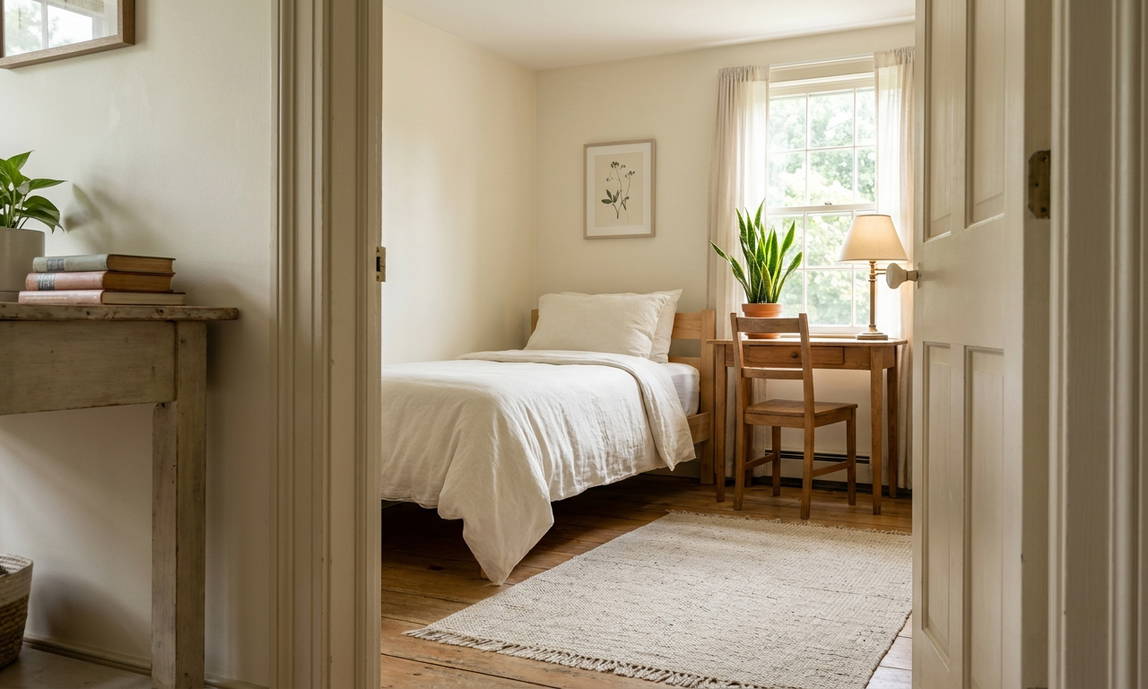
If your primary residence has a poor rating and you are hesitant to rent, the homestay option represents an excellent fallback solution. The legislation makes a clear distinction between renting out an entire, independent property and renting a room within your own home. The homestay DPE benefits from appreciable flexibility: renting a room is generally not subject to the obligation to provide a DPE specific and exclusive to that single room.
In the majority of cases, if the rented area is less than 14 square meters and does not constitute an independent housing unit, the global DPE of your primary residence is sufficient. More importantly, because renting a room in your primary residence is not subject to the same prohibition sanctions as autonomous entire homes, you can legally host a tenant in your guest room, even if your house's overall rating is classified as G. It is a valuable legal exception that favors cohabitation and the optimization of existing space.
Why renting a room in your primary residence is advantageous
Opting for a homestay offers multiple advantages beyond simply bypassing DPE constraints. Financially, it allows you to generate a regular supplementary income, often tax-free if the rent stays within the limits of the cap set by the tax administration (reasonable rent). At Roomlala, we see thousands of owners funding their expenses or leisure activities through this secure monthly income, all while making use of an unoccupied room in their house.
Let's take a very common use case: you own a large house from the 1970s, classified as G, whose children have left. Rather than embarking on exterior insulation work costing tens of thousands of euros to be able to rent out the entire house, you decide to rent two rooms to students. You provide a great service to the local community in the face of the housing shortage, you break the loneliness, and you do it in a perfectly legal and secure framework.
Decency criteria that must be strictly respected
Surface, height, and mandatory equipment
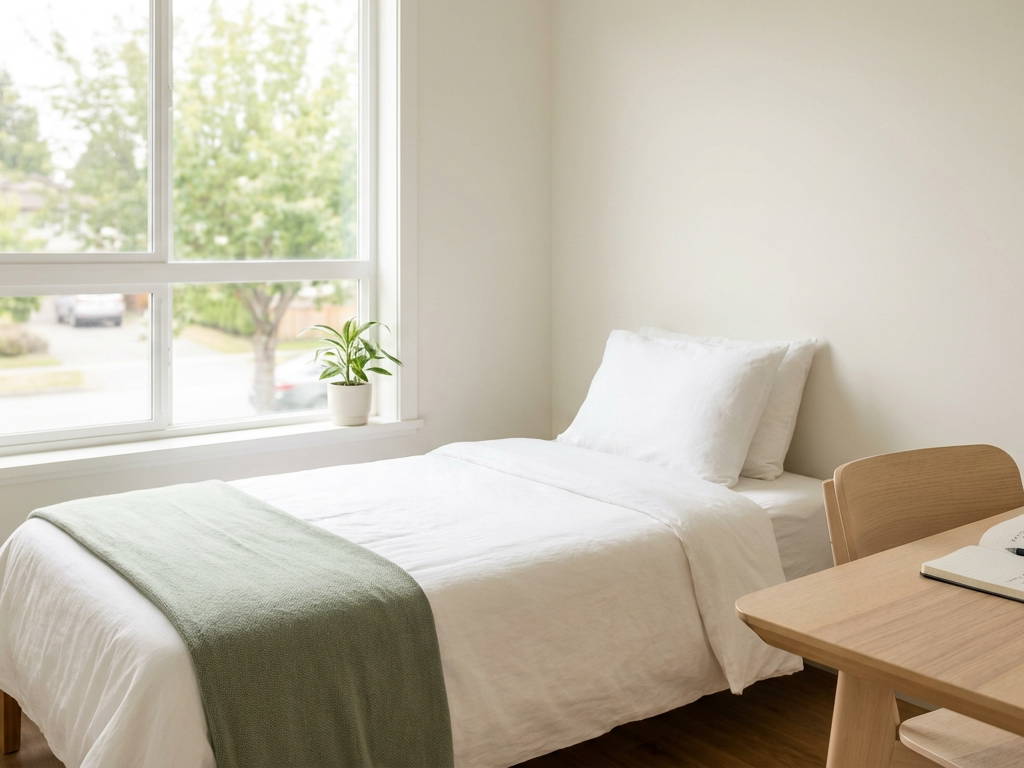
Be careful: while the DPE regulations are more flexible for homestays, the legal decency criteria remain uncompromising. For a room to be rented legally, it must imperatively meet strict standards. The minimum surface area of the room must be 9 square meters according to the Carrez law, with a ceiling height of at least 2.20 meters. A living volume of 20 cubic meters can also be valid in certain specific cases.
Additionally, the room must have a window providing access to natural light and allowing for adequate ventilation. The heating system, whether central or fixed auxiliary, must allow for a minimum temperature of 18 degrees Celsius in the center of the room. For example, converting a windowless basement or an uninsulated attic that does not have a skylight is formally prohibited by law, because it does not meet the decency criteria, regardless of any DPE-related issues.
The trap of classification as an independent housing unit
There is a crucial point of vigilance on which we always insist at Roomlala: the legal boundary between a homestay and an independent housing unit. If the room you offer has an entrance totally independent from your primary residence (for example, direct access from the garden) and is equipped autonomously (with its own kitchenette and its own non-shared private sanitary facilities), it risks being legally reclassified as an independent housing unit, such as a studio or an outbuilding.
In this scenario, the axe falls: this reclassified housing immediately falls back under the climate and rental law. If it is classified as G, the 2026 ban on renting out energy-inefficient properties will apply by right to this outbuilding. To keep the benefits of a homestay, it is essential that the tenant shares at least a portion of the living spaces or equipment (such as the kitchen or the main bathroom) with you, thus confirming that they indeed reside within your household.
How to manage your room rental with Roomlala?
Choosing the right rental contract
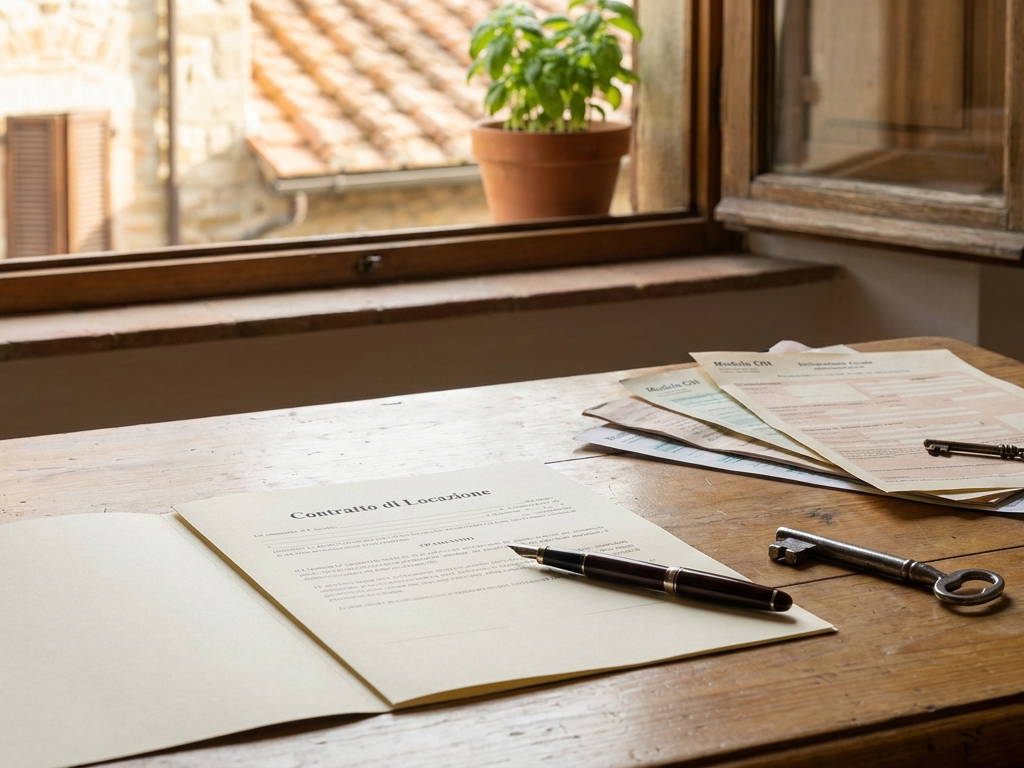
Even if you are hosting someone under your own roof and the atmosphere is intended to be friendly, a written rental contract remains absolutely mandatory. The law requires the agreement to be formalized to protect both parties. Depending on your tenant's profile, several options are available to you. The 9-month student lease is the most popular: it covers exactly the academic year and allows you to reclaim your room during the summer to host your family or tourists.
If you are renting to a professional on a work trip or an intern, the mobility lease (for a duration of 1 to 10 months, non-renewable) is an excellent alternative. Finally, for a longer-term rental, the classic one-year renewable furnished lease is perfectly suitable. At Roomlala, we provide you with contract templates compliant with the latest current regulations, ensuring you total peace of mind when signing.
Hosting a student at the start of the school year: a practical example
To illustrate the simplicity of the process, let's imagine you want to host a student for the upcoming September start of the school year. You have verified that your room is 12 square meters, that it has a window, and that it is well-heated. You publish your listing on Roomlala in a few clicks. You do not have to worry about performing a specific DPE for this room, since you share your kitchen and bathroom with the tenant.
You quickly receive the application from Lucas, a first-year student. Thanks to Roomlala's secure messaging, you chat with him to ensure your lifestyles are compatible. You sign a 9-month student lease. Lucas benefits from affordable and welcoming housing, and on your side, you receive a rent that helps you cope with inflation, all while scrupulously respecting the legal framework despite the fact that your house as a whole is an energy trap. It is a win-win solution that we are proud to encourage daily.
There are no comments yet.
Add a comment
You must be logged in to post a comment.